
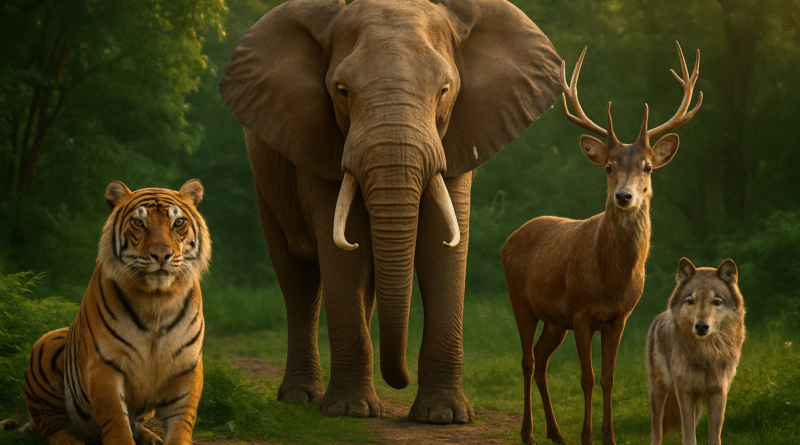
The Fascinating World of Wild Animals: Behavior, Habitat & Survival Secrets
Wild animals have always captured human curiosity. From their unique survival instincts to their incredible adaptability, every wild animal plays an important role in maintaining ecological balance. In this article, we explore how these creatures live, survive, and contribute to the planet’s biodiversity.
What Is a Wild Animal?
A wild animal is any creature that lives in nature without direct human control. They depend on forests, oceans, grasslands, and deserts for food, shelter, and survival. Unlike domestic animals, they fully rely on natural instincts and environmental conditions.
Examples of common wild animals:
-
Lions
-
Tigers
-
Elephants
-
Wolves
-
Bears
-
Eagles
-
Snakes
-
Crocodiles
Each one has a specific role in the ecosystem, helping maintain the balance of nature.
Why Wild Animals Are Important for the Environment
Wild animals create a natural balance that humans benefit from every day.
1. They Control the Food Chain
Predators like lions, wolves, and tigers help control herbivore populations. Without this balance, plant life would be destroyed.
2. They Help Forests Grow
Animals like elephants and birds spread seeds across large areas, helping new trees grow naturally.
3. They Keep the Ecosystem Healthy
Vultures clean up dead animals, insects pollinate plants, and marine creatures maintain the ocean’s health.
Without wild animals, our environment would collapse.
Different Types of Wild Animals
Wild animals can be divided into major groups based on their habitat and characteristics.
1. Forest Animals
Examples: Tigers, elephants, leopards, deer.
These animals depend on thick forests for food, shade, and protection.
2. Desert Animals
Examples: Camels, lizards, snakes.
They adapt to extreme heat and limited water.
3. Ocean Animals
Examples: Whales, sharks, octopuses.
These animals depend on saltwater ecosystems.
4. Arctic Animals
Examples: Polar bears, seals, arctic foxes.
They survive freezing temperatures and harsh conditions.
5. Grassland Animals
Examples: Zebras, cheetahs, giraffes.
They live in open plains and depend on long-distance travel.
How Wild Animals Survive in Nature
Every wild animal has developed unique survival strategies based on its environment.
✔️ Camouflage
Animals like chameleons and tigers hide by blending into their surroundings.
✔️ Speed and Strength
Cheetahs use speed, while elephants use strength to survive.
✔️ Sharp Senses
Owls have strong night vision, wolves have powerful smell, and snakes can sense vibrations.
✔️ Migration
Many wild animals travel long distances to find food and safer climates.
Threats to Wild Animals
Sadly, many wild animals face danger because of human activities.
1. Habitat Loss
Forest cutting and urban development destroy animal homes.
2. Poaching and Illegal Trade
Tigers, elephants, and rhinos are often hunted for skin, tusks, and horns.
3. Climate Change
Rising temperatures affect species like polar bears and coral reefs.
4. Pollution
Plastic waste harms ocean life and toxins affect water and soil.
These threats are pushing many species toward extinction.
How We Can Protect Wild Animals
Protecting wildlife is essential for future generations.
1. Support Wildlife Organizations
Many groups work to rescue and protect endangered animals.
2. Reduce Pollution
Proper waste management helps protect land and sea animals.
3. Plant More Trees
More trees mean more homes for wildlife.
4. Raise Awareness
Educating people helps reduce illegal hunting and animal cruelty.
Interesting Facts About Wild Animals
-
Elephants can remember locations for years.
-
Cheetahs are the fastest land animals on Earth.
-
Owls can rotate their heads almost 270 degrees.
-
Dolphins communicate with unique whistles.
-
Tigers love swimming and are excellent swimmers.
Wild animals are truly amazing and full of surprises!
Conclusion
Wild animals are essential to the health of our planet. They maintain the ecosystem, support natural cycles, and add beauty to our world. Protecting every wild animal is not just a moral duty—it’s a responsibility toward nature and future generations. As human beings, we must ensure that these incredible creatures continue to thrive in their natural habitats.


